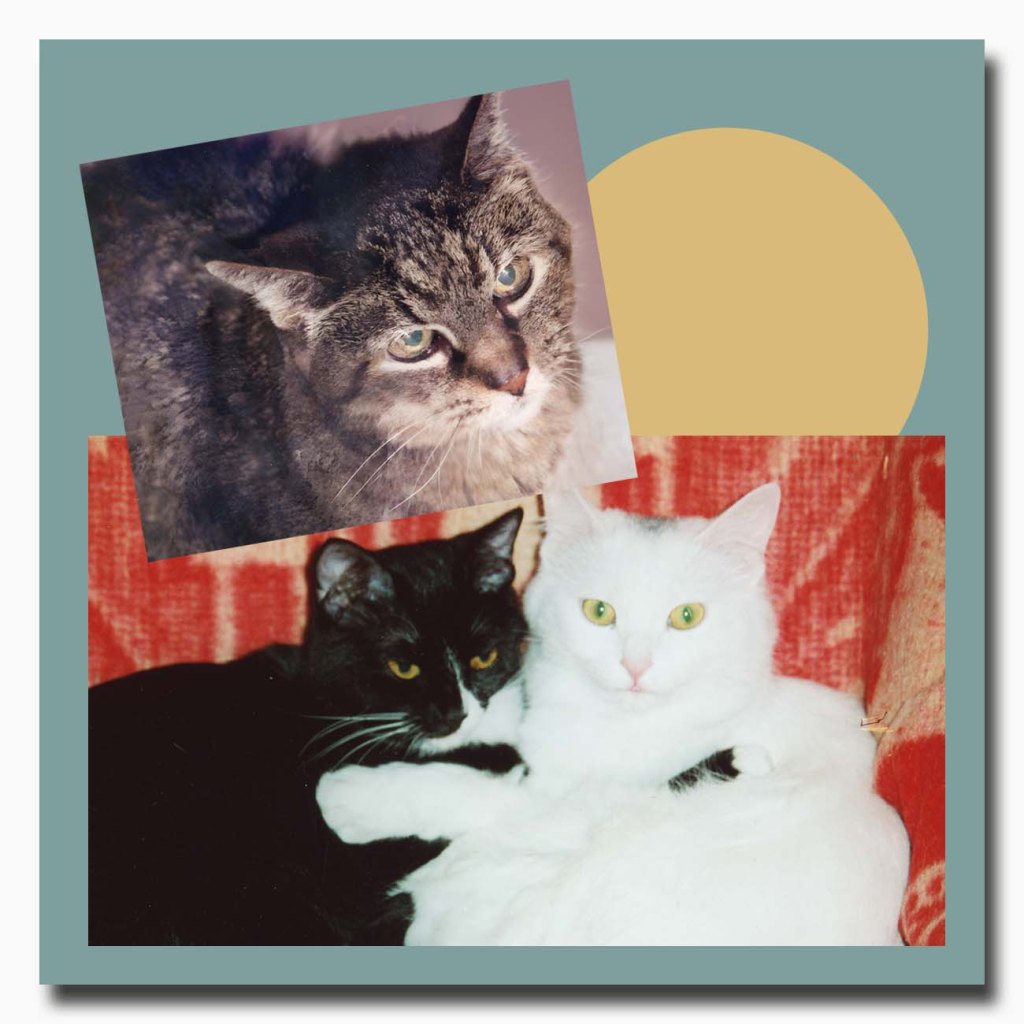
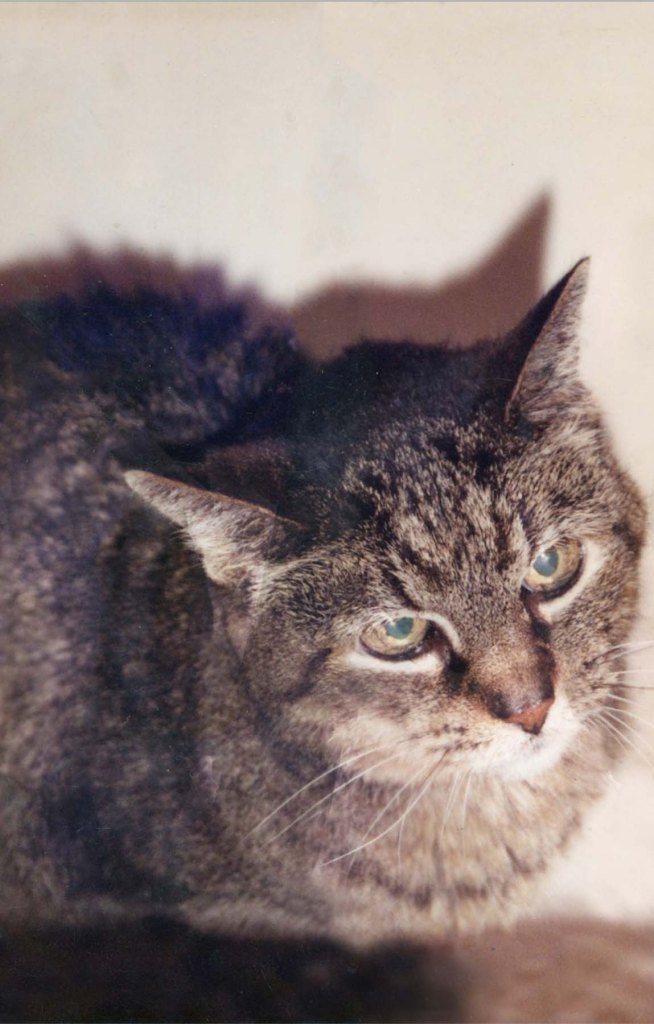
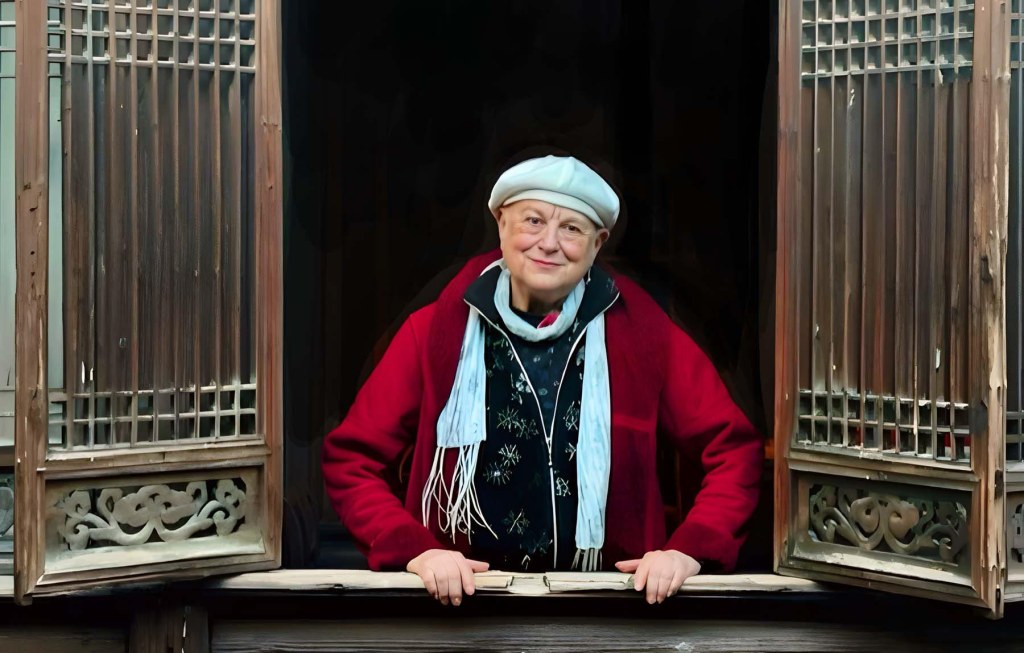
Part Three takes place from the mid-1990s to 2007 with the emphasis on the mid-90s when Delta Air Lines offered leave-of-absences in their downsizing effort. My father passed away in 1993, leaving a small inheritance that enabled me to take a three-year leave to teach English in China. I found a way to carry Peanut into the country, only to have her die within the first month. Her loss made the trials and tribulations of living in a foreign country more challenging as I came to realize that living in China was not the same as visiting China.
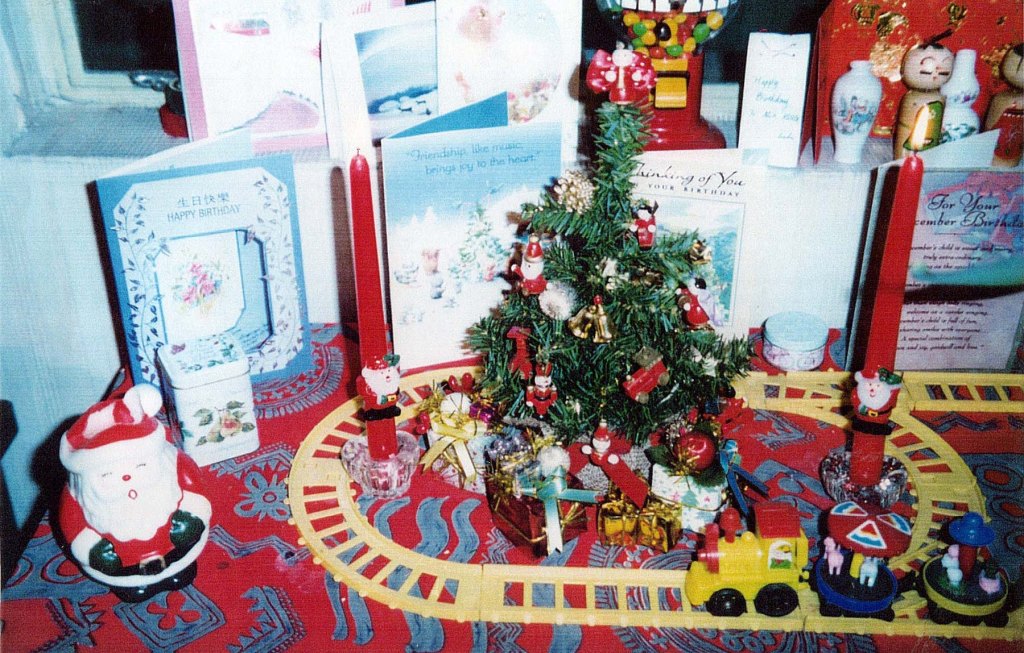
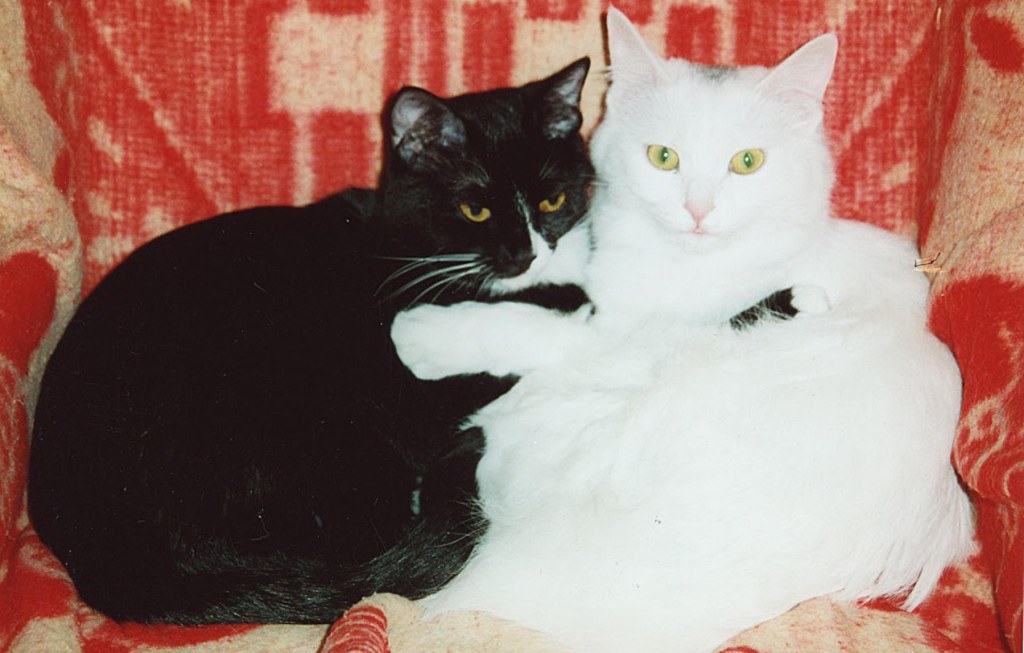
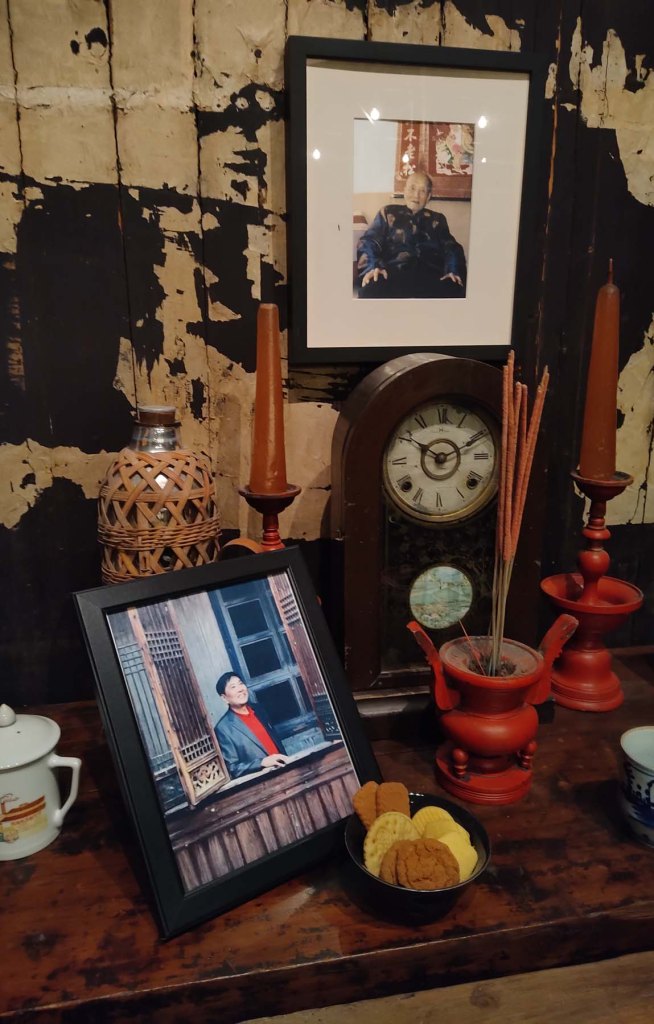
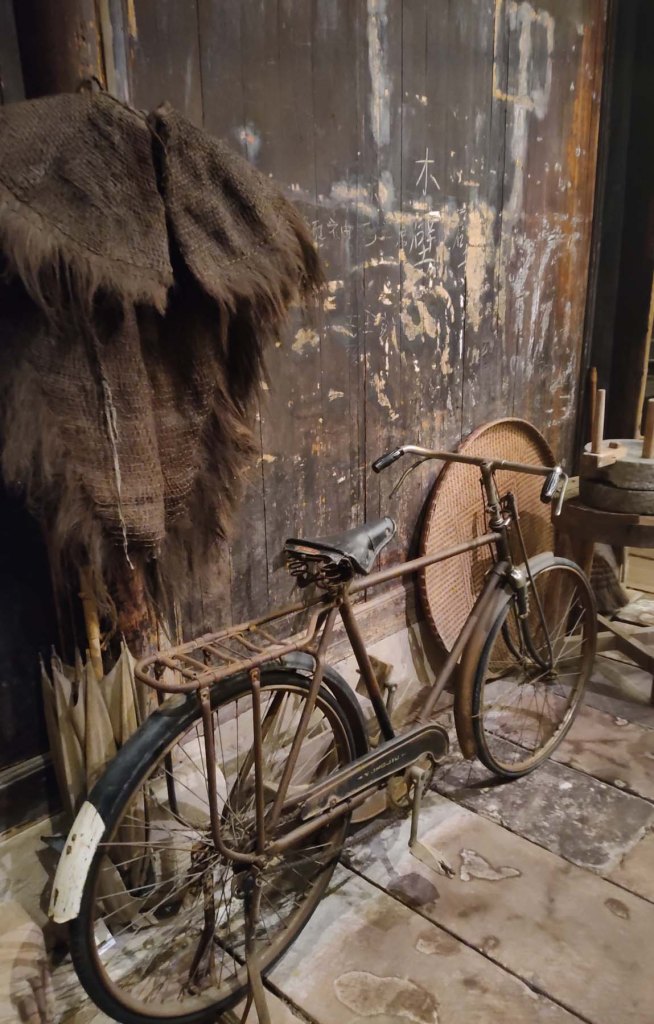
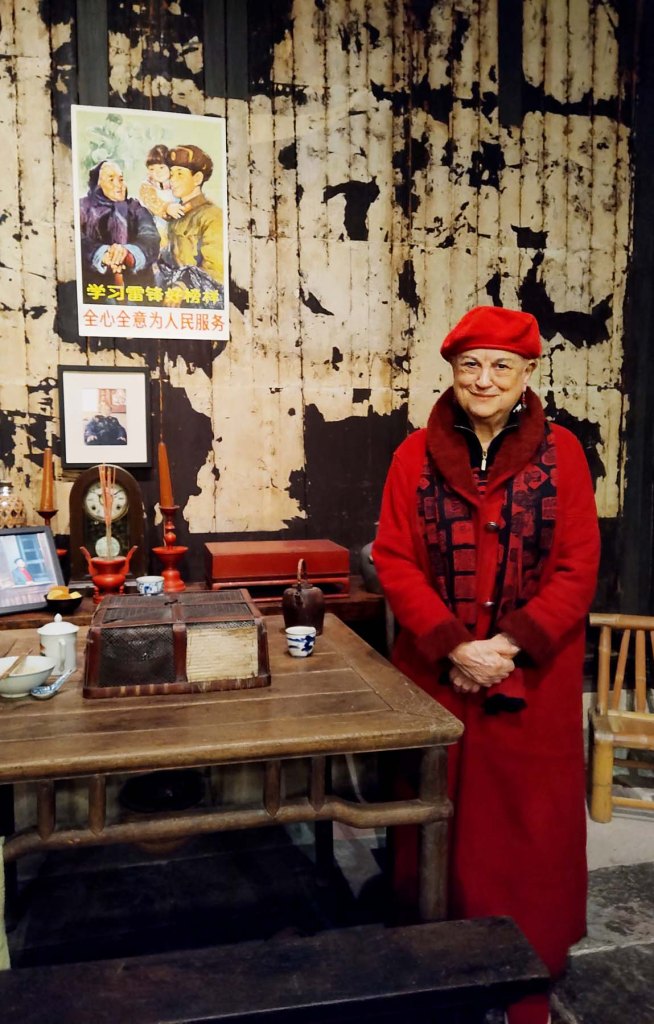
My cat Peanut curled herself into a ball between my two-layered skirt. Business Class was not full, so I sat in a wide-reclining seat with a footrest. I relished lying in a semi-prone position with extra leg room on the 14-hour flight to Hong Kong. But in the back of my mind, I knew I would soon be facing the first of four hurdles in getting Peanut into China. (p. 148)There I was in China checking the battery inside my yellow plastic engine, as I imagined my dad would have, to see if it had enough energy to pull the primary-colored carousel cars behind it. I set up the tracks on a table in front of the balcony window and watched the train chug around the tree I had decorated. The wooden angel ornament dressed in red with gold wings sat atop the tree Sheila had sent. I remembered my father’s hands around me as a girl as I was lifted to place a white angel atop our live Christmas tree. After the decorating was finished, we turned off the table lamps for our reward. Christmas music played, the smell of the Fraser Fir filled the air, and the twinkling lights mesmerized us. Could I create some of this magic for my students, I wondered, as I played a Christmas tape and finished taping cards on the window. (p. 175)Xiao Hei, Little Black, continued to stand out. How could she not? After a week or so, she was my first pick. My mind insisted she was Peanut’s reincarnation, and I wasn’t going to fight it. Hei Tou, Black Top, also stood out, with the black fur spot on her head. The three white kittens were adorable, but almost interchangeable after the first few weeks. My eyes were on how Hei Tou and Xiao Hei interacted, and the decision was made to bring them home. (p. 193)Mary in Yin Yu Tang: This ancient house was dismantled in 1997 in Anhui Province, China. It is now a part of the Peabody Essex Museum (PEM) in Salem, MA, where it was reassembled and has been welcoming all to its over 200-year-old history since 2003. Below photos are from 2025 visits. (p. 204)Photos of Huang Family (p. 205)Raincoat, Bike and Grinder (p. 206)Mary in Yin Yu Tang Reception Room (p. 205)I return often to Yin Yu Tang, where I am transported back to Anhui, China the instant I enter. I am in the village of Huang Cun where mild weather is the norm; I look up to the sky, rain or shine, from the court yard. On either side of the courtyard are two parallel structures connected at each end by stairs. The structures contain eight bedrooms downstairs and another eight above them. I look down at the koi leisurely swimming in one of the two concrete wells bringing nature inside the house. On the wall is an old-style straw raincoat just like the one I wore while fishing in Zhejiang Province. Oh, and there is a stone grain-grinder, taking me back to Qufu, where I watched women grind corn before having dinner with a family. Over there is a baby-minder, a Chinese version of a playpen, exactly like the one I saw in the hills of Anhui. (p. 206)